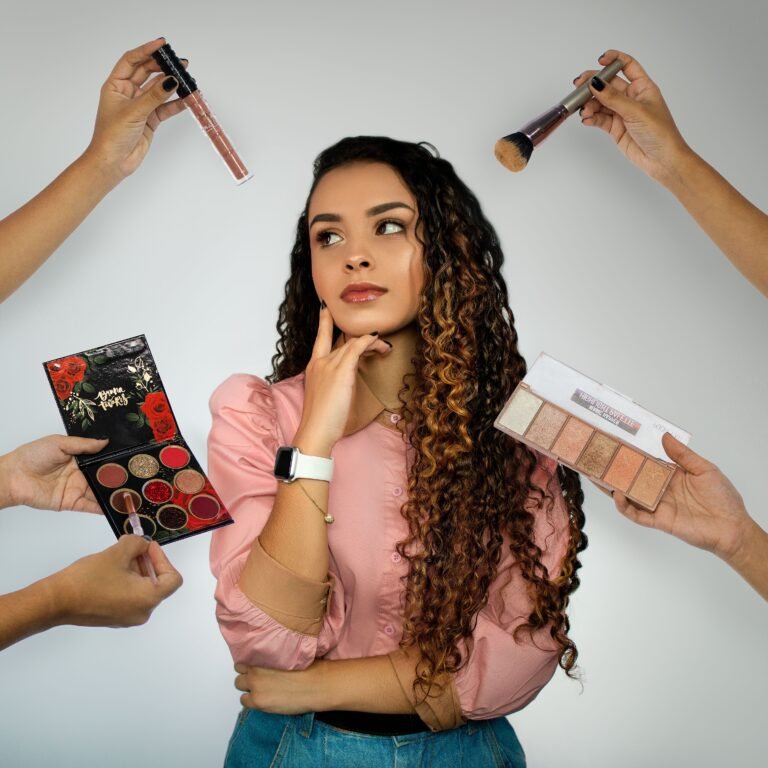

Oily, Dry or Combination Skin? Discover Your Skin Type and Care for It
Learn how to identify your skin type and discover the best skincare routine for oily, dry, combination, and normal skin with simple tips from LUHANDRA.
⸻
Oily, Dry or Combination Skin? Discover Your Skin Type and Care for It
Have you ever bought a skincare product because it worked beautifully for someone else, only to discover that it doesn’t feel right on your skin?
One possible reason is simple:
Your skin may have different needs.
Understanding your skin type is one of the easiest ways to make smarter skincare choices. It can help you decide whether you might prefer a lightweight gel, a richer cream, a gentle cleanser, or a hydrating serum.
But there is something important to understand first:
Skin type and skin condition are not exactly the same thing.
Your skin type is generally related to how much oil your skin naturally produces.
Your skin condition can change over time and may include concerns such as dehydration, sensitivity, blemishes, or uneven-looking tone.
In this guide, we’ll explain the main skin types, show you how to identify yours, and share practical tips for building a routine that suits your skin.
⸻
The Four Main Skin Types
Most people generally fall into one of four broad categories:
- Normal skin
- Dry skin
- Oily skin
- Combination skin
Your skin type is influenced by factors such as genetics, age, hormones, environment, and lifestyle.
And it can change.
For example, your skin may feel oilier during hot weather and drier during colder months.
That’s why it’s useful to pay attention to how your skin behaves rather than relying on a label forever.
⸻
How to Identify Your Skin Type at Home
You don’t need expensive equipment to get a general idea of your skin type.
Try this simple observation method.
Step 1: Cleanse
Wash your face gently with a suitable cleanser.
Step 2: Don’t Immediately Apply Skincare
After cleansing, leave your skin without moisturizer, serum, or other skincare products for a short period.
Step 3: Observe Your Skin
Pay attention to how your face feels and looks.
Ask yourself:
- Does my entire face become shiny?
- Does my skin feel tight?
- Is my forehead oily but my cheeks dry?
- Does my skin feel comfortable and balanced?
- Do I experience both dryness and oiliness?
Your answers can give you a useful starting point.
⸻
- Normal Skin
Normal skin generally has a relatively balanced level of oil and hydration.
It may feel:
- Comfortable
- Soft
- Balanced
- Neither excessively oily nor excessively dry
You may also notice relatively few areas of persistent dryness or excessive shine.
However, having normal skin doesn’t mean you don’t need skincare.
A simple routine can help maintain your skin’s comfort and appearance.
⸻
A Simple Routine for Normal Skin
Morning
Cleanser → Serum → Moisturizer → Sunscreen
Evening
Cleanser → Serum → Moisturizer
You don’t need to add lots of products simply because your skin is balanced.
Keep your routine simple and adjust it when your skin’s needs change.
⸻
- Dry Skin
Dry skin generally produces less natural oil than oily skin.
It may feel:
- Tight
- Rough
- Flaky
- Uncomfortable
- More sensitive to harsh products
Dry skin can also appear dull or lack a smooth, supple appearance.
⸻
What Does Dry Skin Need?
The main focus should be gentle cleansing and hydration.
Look for products designed to support moisture and the skin barrier.
Ingredients commonly found in hydrating skincare include:
- Hyaluronic acid
- Glycerin
- Ceramides
- Other moisturizing ingredients
The exact formulation matters more than simply choosing a product because it contains one popular ingredient.
⸻
A Simple Routine for Dry Skin
Morning
Gentle Cleanser → Hydrating Serum → Moisturizer → Sunscreen
Evening
Gentle Cleanser → Hydrating Serum → Richer Moisturizer
Avoid unnecessarily aggressive cleansing or excessive exfoliation if your skin is already dry or uncomfortable.
⸻
- Oily Skin
Oily skin generally produces more sebum.
You may notice:
- Shine across the face
- Oiliness around the forehead, nose, and chin
- Makeup becoming less stable during the day
- More noticeable pores
However, oily skin can still become dehydrated.
This is why one of the most common mistakes is thinking:
“My skin is oily, so I shouldn’t use moisturizer.”
That’s not necessarily true.
Your skin can produce excess oil while still needing hydration.
⸻
What Does Oily Skin Need?
A good starting point is a simple routine that cleanses effectively without unnecessarily stripping the skin.
You may prefer:
- Lightweight cleansers
- Lightweight serums
- Gel moisturizers
- Non-heavy formulations
- Appropriate sun protection
Niacinamide is another ingredient commonly found in products designed for oily or combination skin.
⸻
A Simple Routine for Oily Skin
Morning
Gentle Cleanser → Lightweight Serum → Lightweight Moisturizer → Sunscreen
Evening
Cleanser → Targeted Serum → Moisturizer
Avoid repeatedly washing your face throughout the day simply because you notice shine.
Over-cleansing can leave your skin uncomfortable and may encourage you to use increasingly harsh products.
⸻
- Combination Skin
Combination skin can be confusing because it combines characteristics of more than one skin type.
A common pattern is:
Oily T-zone + drier cheeks
The T-zone includes:
- Forehead
- Nose
- Chin
You might notice significant shine around the center of your face while your cheeks feel relatively normal or dry.
⸻
How Should You Care for Combination Skin?
The goal is balance.
You don’t necessarily need completely different products for different parts of your face.
Start with a gentle cleanser and a lightweight moisturizer.
If certain areas need additional hydration, you can adjust your routine accordingly.
For example:
- Lightweight hydration across the face
- Additional moisturizer on drier areas
- Appropriate lightweight products on oilier areas
The key is observing how your skin responds.
⸻
Skin Type vs. Skin Condition
This is one of the most important concepts in skincare.
Your skin type tends to describe your natural oil production.
Your skin condition describes what your skin is experiencing at a particular time.
For example, someone can have:
Oily + dehydrated skin
or:
Dry + sensitive skin
or:
Combination + blemish-prone skin
This is why simply saying “I have oily skin” doesn’t tell the entire story.
⸻
What Is Dehydrated Skin?
Dehydrated skin lacks water.
This is different from dry skin.
Dry skin is generally associated with lower oil production.
Dehydrated skin is a temporary condition that can occur across different skin types.
For example, someone with oily skin can still have dehydrated skin.
You might notice:
- Tightness
- Dull appearance
- Fine dehydration lines
- Rough texture
- Skin that feels uncomfortable despite producing oil
Hydrating ingredients such as hyaluronic acid are commonly used in routines focused on improving the appearance and feel of dehydrated skin.
⸻
Can Your Skin Type Change?
Yes.
Your skin doesn’t necessarily behave exactly the same throughout your entire life.
Factors that can influence how your skin behaves include:
- Age
- Hormonal changes
- Weather
- Climate
- Seasonal changes
- Stress
- Lifestyle
- Skincare products
- Certain medications
For example, your skin may feel oilier during a hot summer and drier during winter.
Instead of forcing your skin into a permanent category, pay attention to what it is telling you.
⸻
How Weather Can Affect Your Skin
Your environment can have a noticeable impact on how your skin feels.
Cold Weather
Cold air and indoor heating can contribute to dryness and discomfort.
You may prefer richer moisturizing products during colder months.
Hot Weather
Heat and humidity can increase sweating and oiliness.
Lightweight textures may feel more comfortable.
Dry Climate
Low humidity can contribute to a dry or dehydrated feeling.
Hydrating products and a suitable moisturizer can become especially useful.
⸻
Choosing a Cleanser Based on Your Skin Type
Your cleanser is one of the first products your skin comes into contact with.
Dry Skin
Look for gentle, moisturizing formulations.
Oily Skin
A cleanser designed to remove excess oil without leaving the skin excessively stripped may be preferable.
Combination Skin
A balanced cleanser that doesn’t over-dry the cheeks while effectively cleansing the T-zone can be a good starting point.
Normal Skin
A gentle cleanser may be enough.
The goal is always:
Clean skin that still feels comfortable.
⸻
Choosing a Moisturizer Based on Your Skin Type
Your moisturizer should provide hydration without making your skin feel uncomfortable.
Dry Skin
A richer cream may be preferable.
Oily Skin
A lightweight gel or lotion may feel more comfortable.
Combination Skin
A lightweight moisturizer can provide balanced hydration.
Normal Skin
You have more flexibility and can choose a texture based on your preferences and seasonal needs.
⸻
What About Sunscreen?
Regardless of your skin type, sun protection matters.
Oily skin doesn’t mean you should skip sunscreen.
Dry skin doesn’t mean sunscreen is unnecessary.
Combination skin still needs protection.
And normal skin does too.
Look for a sunscreen that feels comfortable enough for you to use consistently.
If a sunscreen leaves your skin feeling too heavy, try a different texture rather than abandoning sun protection altogether.
⸻
How to Build Your Routine Based on Your Skin Type
Here’s a simple overview.
Skin Type Main Focus Product Textures You May Prefer
Normal Maintain balance Lightweight to medium
Dry Hydration & moisture Creams and richer textures
Oily Balance & lightweight hydration Gels and lightweight lotions
Combination Balance different areas Lightweight, adaptable textures
Remember that these are general guidelines, not strict rules.
Your individual skin may behave differently.
⸻
Common Mistakes Based on Skin Type
If You Have Oily Skin
Don’t aggressively strip your skin in an attempt to remove every trace of oil.
If You Have Dry Skin
Don’t over-exfoliate or use harsh cleansers.
If You Have Combination Skin
Don’t assume your entire face needs exactly the same amount of moisture.
If You Have Normal Skin
Don’t assume you don’t need sun protection or regular skincare.
⸻
How to Know If a Product Isn’t Working for You
Your skin can sometimes tell you when something isn’t suitable.
Pay attention to:
- Persistent burning
- Significant redness
- Swelling
- Severe dryness
- Increased sensitivity
- Persistent discomfort
If you experience a concerning reaction, stop using the product and seek appropriate medical advice if necessary.
Don’t continue using a product simply because you believe irritation means it is “working.”
⸻
Don’t Let Social Media Choose Your Skin Type
Skincare trends change constantly.
One month, everyone may be talking about glass skin.
The next month, another ingredient becomes viral.
But your skin doesn’t follow trends.
What works beautifully for one person may not work for another.
Instead of copying someone else’s routine, ask:
What does my skin actually need?
That’s a much better starting point.
⸻
A Simple Routine for Every Skin Type
No matter your skin type, you can start with the same basic structure.
Morning
- Cleanser
Remove overnight buildup and prepare your skin.
- Serum
Choose one based on your skincare goals.
- Moisturizer
Support hydration and comfort.
- Sunscreen
Protect your skin during the day.
Evening
- Cleanser
Remove makeup, sunscreen, oil, and daily buildup.
- Targeted Serum
Choose according to your skin’s needs.
- Moisturizer
Finish your routine with hydration.
That’s it.
You can add additional products later if your skin actually needs them.
⸻
The Bottom Line
Knowing your skin type can make skincare much less confusing.
Dry skin generally needs a stronger focus on moisture and gentle care.
Oily skin benefits from effective cleansing and lightweight hydration.
Combination skin requires a balanced approach that considers different areas of the face.
Normal skin can usually focus on maintaining its natural balance.
But remember:
Your skin type isn’t a permanent identity.
It can change.
The best skincare routine is the one that responds to your skin rather than forcing your skin to fit a routine.
At LUHANDRA, we believe skincare should feel simple, informed, and personal.
Understand your skin. Choose thoughtfully. Care consistently.
⸻
Frequently Asked Questions
How can I tell what my skin type is?
Clean your face gently, leave it without skincare for a short period, and observe how it feels and looks. Excessive shine may suggest oily skin, tightness and flaking may suggest dry skin, while an oily T-zone with drier cheeks may suggest combination skin.
Can I have oily and dry skin at the same time?
Yes. Combination skin often has oilier areas and drier areas. It’s also possible for oily skin to become dehydrated.
Is oily skin better than dry skin?
Neither skin type is inherently better. Each has different characteristics and skincare needs.
Does oily skin need moisturizer?
Yes. Oily skin still needs hydration. A lightweight moisturizer may be more comfortable than a rich cream.
What is the best skincare routine for dry skin?
A gentle cleanser, hydrating serum, moisturizer, and daily sunscreen can provide a simple foundation. The specific products should suit your skin’s needs and tolerance.
What is the best skincare routine for oily skin?
A gentle cleanser, lightweight hydrating serum, lightweight moisturizer, and sunscreen can be a good starting point.
Can your skin type change with age?
Yes. Oil production and skin characteristics can change over time due to age, hormones, environment, lifestyle, and other factors.
What is the difference between dry and dehydrated skin?
Dry skin generally refers to lower oil production, while dehydrated skin refers to a lack of water. A person with oily skin can still experience dehydration.
How often should I change my skincare routine?
You don’t need to change your routine constantly. If your products are working well and your skin is comfortable, consistency is usually more useful than frequently switching products.
Should I use different products in summer and winter?
You may find that your skin prefers different textures depending on the season. For example, lighter products may feel more comfortable during hot weather, while richer moisturizers may be preferred during colder or drier conditions.
⸻
Your Skin Deserves you
At LUHANDRA, we believe beauty begins with self-care — and taking care of your skin can be a simple, enjoyable part of your everyday routine.