Everyday Makeup Essentials: Create a Beautiful Look with Less
Meta Description: Discover the essential makeup products you need for a simple everyday look. Learn how to build a natural makeup routine without using too many products.
⸻
Everyday Makeup Essentials: Create a Beautiful Look with Less
You don’t need a large makeup collection to create a beautiful everyday look.
In fact, having too many products can sometimes make your routine more complicated than it needs to be.
A few well-chosen essentials can help you create a fresh, polished and comfortable look for work, university, shopping, meeting friends or simply feeling more confident during your day.
The secret is not having more makeup.
It’s knowing which products you actually need, how to use them, and how to build a routine that works for you.
In this guide, we’ll walk through the essential makeup products for an everyday routine, how to apply them, common mistakes to avoid, and how to create a simple makeup collection without unnecessary products.
⸻
Why Keep Your Everyday Makeup Routine Simple?
Makeup should be enjoyable, not stressful.
A simple routine has several advantages:
- It takes less time.
- It’s easier to maintain.
- You can focus on the features you want to enhance.
- You don’t need a large collection of products.
- It’s easier to understand which products work for you.
- You can adapt the routine for different occasions.
Your everyday makeup doesn’t need to look dramatically different from your natural appearance.
The goal can simply be to create a fresh, polished and comfortable look.
⸻
The Essential Everyday Makeup Products
You don’t need every makeup product available.
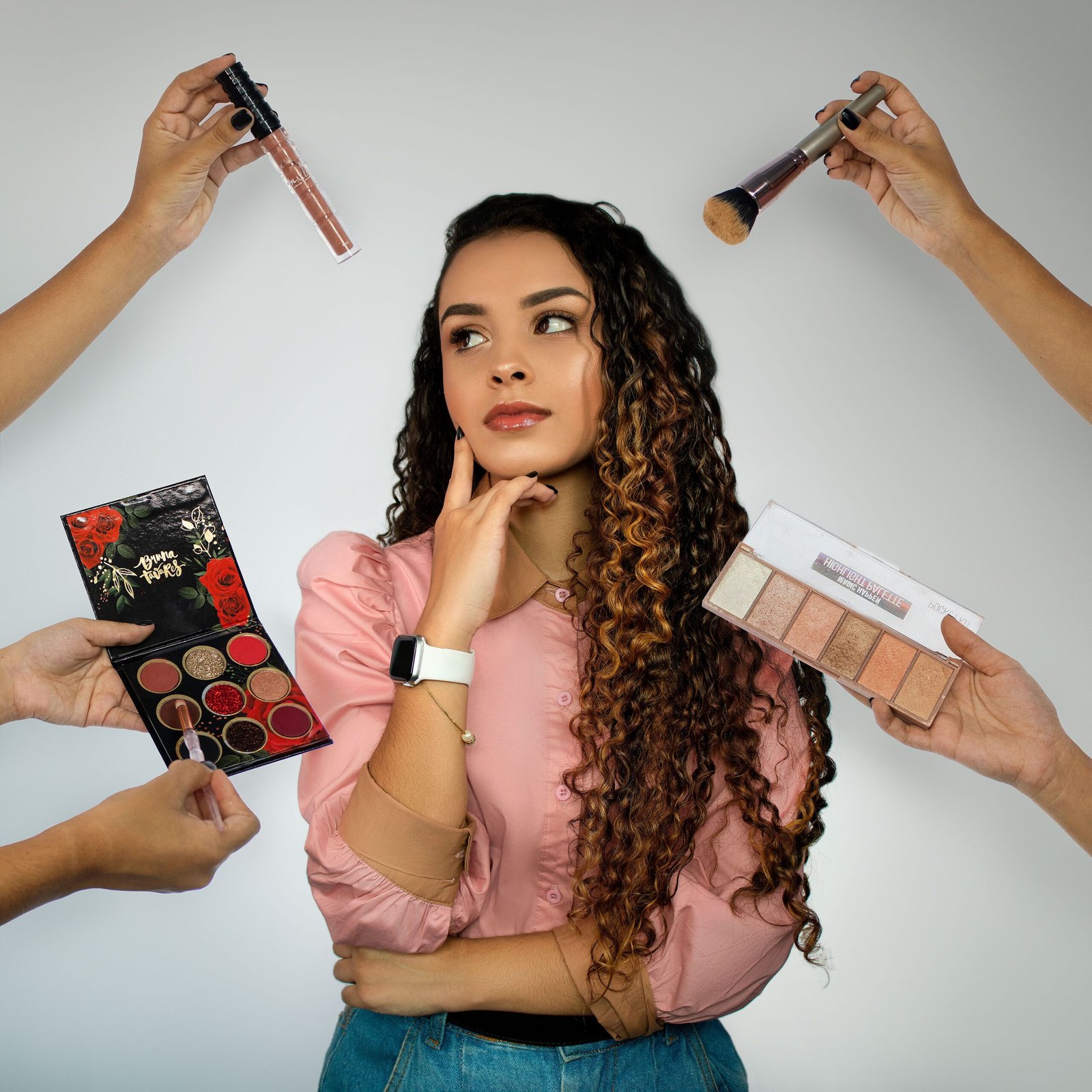
For a basic routine, you can start with:
- Primer — optional
- Foundation or skin tint
- Concealer
- Powder
- Blush
- Bronzer — optional
- Brow product
- Mascara
- Lip product
- Setting spray — optional
You can use all of these or only a few.
Your routine should depend on the level of coverage and finish you prefer.
Step 1: Start With Skincare
Before applying makeup, take care of your skin.
Makeup usually sits more comfortably when your skin has been properly cleansed and moisturized.
A simple preparation routine can be:
Cleanser → Serum → Moisturizer → Sunscreen → Makeup
Allow your skincare products a little time to settle before applying makeup.
This can help reduce the feeling of products mixing together or becoming uneven during application.
Remember:
Good makeup starts with good preparation.
Step 2: Primer — Do You Really Need It?
Primer is optional.
Its purpose depends on the formula.
Some primers are designed to:
- Create a smoother-feeling base
- Reduce the appearance of shine
- Add hydration
- Help makeup apply more evenly
- Improve how makeup wears throughout the day
But you don’t necessarily need primer if your foundation already works well with your skincare.
If your makeup looks good without it, you can skip it.
Step 3: Foundation or Skin Tint
Foundation provides coverage and helps create a more even-looking complexion.
For an everyday look, you don’t necessarily need heavy coverage.
You can choose between:
Skin Tint
Usually provides lighter coverage and allows more of your natural skin appearance to show through.
Light-to-Medium Foundation
Provides more coverage while still allowing you to create a natural-looking finish depending on the formula and application.
Full-Coverage Foundation
Provides more coverage and can be useful when you prefer a more polished or dramatic makeup look.
The best choice depends on your preference.
How to apply foundation
Start with a small amount.
Apply it mainly where you want more coverage rather than automatically applying a thick layer everywhere.
Blend carefully around:
- Nose
- Jawline
- Hairline
- Cheeks
- Forehead
A thin, even layer often looks more natural than applying too much product.
Step 4: Concealer
Concealer is useful when you want additional coverage in specific areas.
Common areas include:
- Under the eyes
- Around the nose
- Individual blemishes
- Areas with uneven-looking tone
You don’t always need to use concealer over your entire face.
Instead, think of it as a targeted product.
Apply a small amount and blend gently.
Using too much concealer under the eyes can make the area appear heavier or emphasize texture.
Step 5: Set Your Makeup With Powder
Powder can help reduce unwanted shine and set certain areas of your makeup.
You don’t necessarily need to powder your entire face.
If you have combination or oily skin, you may prefer focusing on areas that become shiny more quickly, such as:
- Forehead
- Nose
- Chin
If your skin tends to feel dry, applying too much powder may make your makeup appear less comfortable or emphasize dry-looking areas.
Use the amount that works for your skin and the finish you want.
Step 6: Add Blush
Blush can make a major difference to an everyday makeup look.
It adds color and can create a fresher, more lively appearance.
Common blush formulas include:
- Powder blush
- Cream blush
- Liquid blush
Where should you apply blush?
A simple approach is to apply blush to the cheeks and blend it outward.
The exact placement depends on the look you’re trying to create.
For a soft everyday appearance, start with a small amount and build gradually.
It’s much easier to add more blush than to remove too much.
Step 7: Bronzer — Optional but Useful
Bronzer is optional.
It can add warmth and dimension to your makeup.
You can apply it lightly around areas such as:
- Forehead
- Cheek area
- Jawline
The goal is usually to create warmth rather than obvious stripes.
Start with a small amount and blend well.
Step 8: Don’t Forget Your Brows
Brows can help frame the face.
You don’t necessarily need to completely reshape them.
A simple brow routine might include:
- Brushing the hairs into place
- Filling sparse-looking areas lightly
- Using a brow pencil or powder
- Setting them with a brow gel if desired
For everyday makeup, avoid automatically drawing extremely defined brows unless that’s the style you personally prefer.
Small adjustments can create a polished appearance while still looking natural.
Step 9: Mascara for the Eyes
Mascara is one of the easiest ways to make an everyday makeup look feel more complete.
It can help lashes appear:
- Darker
- More defined
- Longer-looking
- More noticeable
For a natural look, one or two light coats may be enough.
Apply from the base of the lashes toward the tips while avoiding excessive product buildup.
If you use mascara regularly, follow the product’s replacement guidance and avoid sharing eye makeup with others.
Step 10: Keep Eye Makeup Simple
You don’t need a complicated eyeshadow routine every day.
For an easy everyday look, you can use:
- A neutral eyeshadow
- A soft brown shade
- A subtle shimmer
- Or no eyeshadow at all
If you want more definition, a small amount of eyeliner can be added.
The key is choosing what makes you feel comfortable.
Step 11: Finish With a Lip Product
Your lips can completely change the character of an everyday makeup look.
Depending on your preference, choose:
- Lip balm
- Tinted lip balm
- Lip gloss
- Lip liner
- Lipstick
- Lip tint
For an everyday look, a comfortable lip product with a natural or soft color can be an easy choice.
If your lips feel dry, start with hydration before applying a long-wearing lip product.
⸻
A Simple 5-Minute Makeup Routine
Don’t have much time?
Try this:
- Skin preparation
Moisturizer + sunscreen.
- Skin tint or light foundation
Apply a thin layer where needed.
- Concealer
Use only where additional coverage is needed.
- Blush
Add a small amount to the cheeks.
- Brows
Brush and lightly define them.
- Mascara
One or two coats.
- Lip product
Finish with a balm, tint or gloss.
That’s enough to create a polished everyday look without spending a long time in front of the mirror.
⸻
A Minimal Makeup Routine
If you want to use even fewer products, try:
Concealer + Blush + Brow Product + Mascara + Lip Product
This can be enough for a simple everyday look.
You can also choose multifunctional products that work on more than one area.
For example, some cream products can be used on the cheeks and lips, depending on their formulation and intended use.
⸻
How to Choose Makeup for Your Skin Type
Your skin type can influence which makeup textures feel most comfortable.
Dry Skin
You may prefer:
- Hydrating skincare underneath
- Cream or liquid formulas
- Lightweight foundation
- Minimal powder
Avoid automatically using large amounts of powder if it makes your skin look dry.
Oily Skin
You may prefer:
- Lightweight skincare
- Long-wearing formulas
- Oil-controlling products
- Powder on areas prone to shine
Combination Skin
You can adapt your routine by area.
For example, you might use more powder on the T-zone while keeping the cheeks more hydrated.
Normal Skin
You have more flexibility and can experiment with different textures depending on the finish you prefer.
Remember that skin type can change with seasons, environment and other factors.
⸻
Natural Makeup vs. Full Makeup
There is no single definition of “natural makeup.”
A natural-looking makeup style usually focuses on:
- Lightweight coverage
- Soft colors
- Subtle definition
- Skin-like finishes
A fuller makeup look may involve:
- More coverage
- More defined brows
- Stronger eye makeup
- Contouring
- More intense lip color
Both are valid styles.
The important thing is choosing the look that fits the occasion and your personal preference.
⸻
Common Everyday Makeup Mistakes
- Using Too Much Foundation
More foundation doesn’t always mean better coverage.
Build coverage gradually.
- Choosing the Wrong Shade
A foundation should blend naturally into your complexion.
When possible, test the shade under suitable lighting and consider how the formula looks after it settles.
- Applying Too Much Concealer
A small amount can often be enough.
- Over-Powdering
Too much powder can change the finish of your makeup and may emphasize dry-looking areas.
- Not Blending
Makeup should transition naturally between different areas.
Pay particular attention to the jawline, hairline and cheeks.
- Ignoring Skincare Preparation
Applying makeup to very dry or poorly prepared skin can make the finish less comfortable.
- Forgetting Makeup Hygiene
Dirty brushes and old products aren’t worth risking your skin or eyes for.
Clean your makeup tools regularly and follow product guidance regarding shelf life and replacement.
⸻
Makeup Hygiene: An Important Part of Your Routine
Makeup products come into close contact with your skin and sometimes your eyes.
Good hygiene habits include:
- Clean brushes regularly.
- Don’t share mascara or eye makeup.
- Avoid using products that have changed smell, texture or appearance.
- Close products properly after use.
- Follow the manufacturer’s recommended period after opening where applicable.
- Keep makeup tools clean and dry.
Good makeup isn’t just about appearance.
It’s also about using your products responsibly.
⸻
How to Build a Smart Makeup Collection
Instead of buying every new product you see online, start with your essentials.
A practical collection might include:
Base
- Foundation or skin tint
- Concealer
- Powder
Cheeks
- Blush
- Optional bronzer
Eyes
- Brow product
- Mascara
- Optional neutral eyeshadow
Lips
- Lip balm
- Lip color or gloss
Once you know what you actually use, you can gradually expand your collection.
⸻
How to Make Your Makeup Last Longer
Several simple habits can improve how your makeup wears during the day:
- Start with clean, prepared skin.
- Avoid applying excessively thick layers.
- Allow skincare to settle before makeup.
- Use appropriate formulas for your skin type.
- Set areas that tend to become shiny.
- Avoid frequently touching your face.
- Carry a few essentials for quick touch-ups when needed.
Long-lasting makeup isn’t necessarily about applying more product.
Sometimes, less is more.
⸻
Your Everyday Makeup Checklist
Save this checklist for your routine:
Before Makeup
☐ Cleanse
☐ Moisturize
☐ Sunscreen
☐ Allow skincare to settle
Makeup
☐ Foundation or skin tint
☐ Concealer
☐ Powder if needed
☐ Blush
☐ Brows
☐ Mascara
☐ Lip product
Optional
☐ Primer
☐ Bronzer
☐ Eyeshadow
☐ Eyeliner
☐ Setting spray
⸻
Frequently Asked Questions
What makeup products do I really need?
For a basic everyday routine, you can start with a skin base, concealer, blush, brow product, mascara and lip product. Everything else is optional depending on your preferred look.
Is primer necessary?
No. Primer is optional. If your skincare and foundation already work well together, you may not need one.
Should I apply foundation or concealer first?
A common routine is foundation followed by concealer. However, the best order can vary depending on the products and the amount of coverage you want.
How can I make my makeup look natural?
Use thin layers, blend carefully and choose shades and textures that complement your skin. You don’t need heavy coverage to create a polished appearance.
How do I choose the right foundation?
Consider your preferred coverage, finish and skin type. When possible, test shades under good lighting and allow the product to settle before judging the final appearance.
Is powder necessary for dry skin?
Not necessarily. If your skin tends to be dry, you may prefer using less powder or applying it only where needed.
How often should I clean my makeup brushes?
Regular cleaning is an important part of makeup hygiene. The exact frequency can depend on how often you use them and what products you apply, but brushes used frequently should be cleaned regularly.
Can I use the same makeup routine every day?
Absolutely. A consistent routine can make getting ready faster and easier. You can always add or remove steps depending on the occasion.
⸻
Explore More From LUHANDRA
Want to learn more about building a complete beauty routine?
Explore our other LUHANDRA guides:
- The Ultimate Skincare Routine: A Simple Guide to Healthy, Glowing Skin
- Glass Skin Explained: How to Achieve Smooth, Radiant and Hydrated Skin
- Skincare Ingredients 101: Understanding Hyaluronic Acid, Niacinamide and Vitamin C
- How to Identify Your Skin Type
- The Complete Hair Care Guide
- Body Care Matters Too: How to Build a Complete Self-Care Routine
You can also explore the LUHANDRA Makeup Collection for products to complement your everyday beauty routine.
⸻
Final Thoughts
You don’t need a huge makeup collection to look and feel your best.
Start with a few essentials that you genuinely enjoy using.
Focus on preparing your skin, choosing comfortable products, applying thin layers and creating a routine that fits your lifestyle.
Makeup should enhance your personal style—not hide it.
At LUHANDRA, we believe beauty is about feeling confident, comfortable and completely yourself.
LUHANDRA — Beauty Begins with Self-Care.